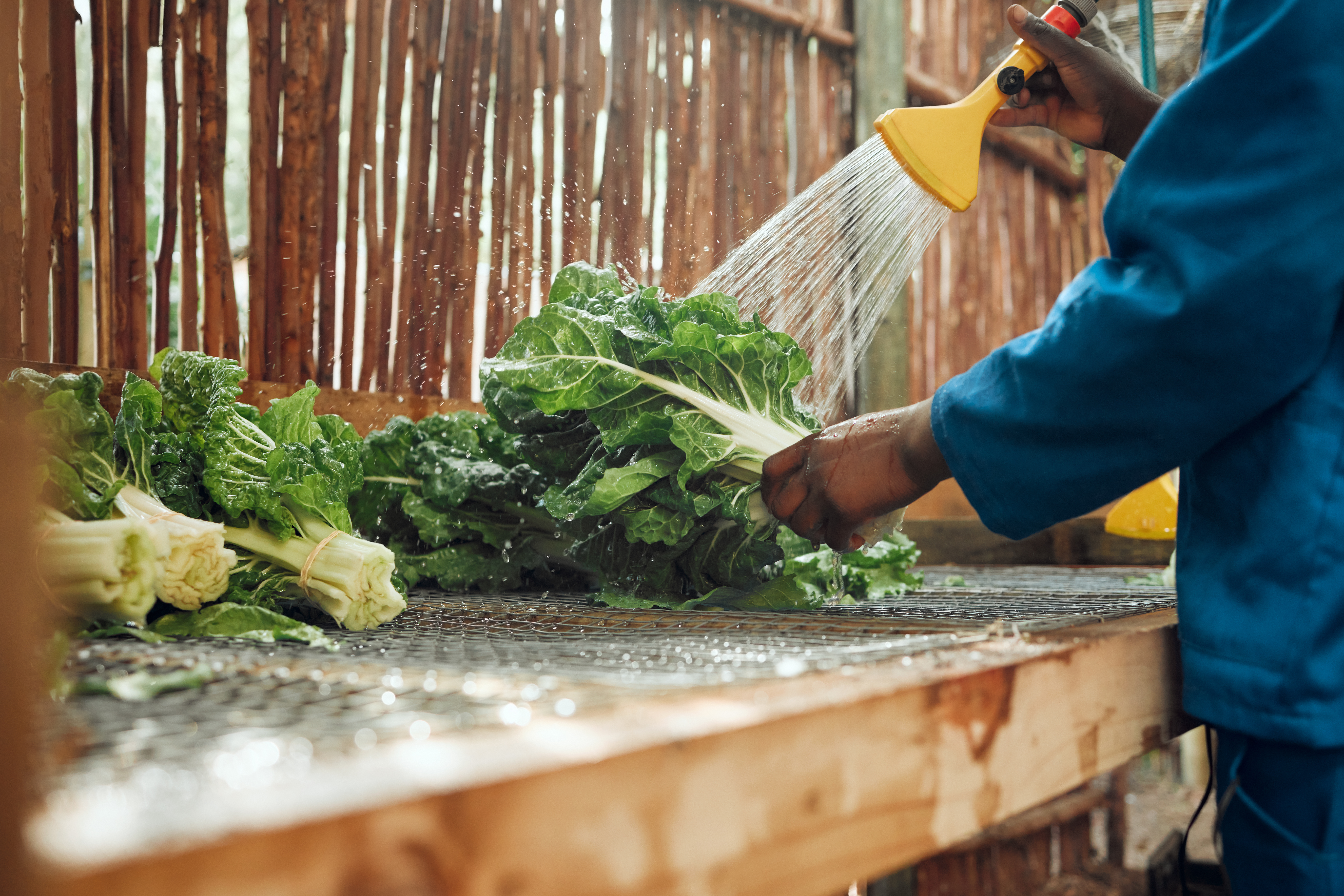
Good Agricultural Practices (GAP)

Good Agricultural Practices (GAP) are methods used by produce farmers to reduce the risk of foodborne illnesses resulting from the contamination of fresh fruit and vegetables.

These methods are voluntary guidelines based on the Food and Drug Administration’s Guide to Minimizing Microbial Food Safety Hazards for Fresh Produce. GAP takes into consideration microbial contamination potential in the production, packing, handling, and storing of fresh produce.

Important things to know about GAP:

  • GAP is voluntary.
  • GAP is not required by law, however, some buyers can still require it.
  • GAP certification can open new market opportunities for growers.
  • Food safety is top priority.
  • Following GAP guidelines shows care for consumers.

SCDA’s Commitment to Growers

The South Carolina Department of Agriculture recognizes the need for on-farm food safety and is committed to helping the growers of our wonderful state be successful in reaching new markets by using good agricultural practices to assure consumer safety. Our commitment has resulted in the GAP Education and Outreach Program that educates growers on the guidelines of GAP audits and walks them through the entire preparation process leading up to audit day, while leaving a lasting impact to practice on-farm food safety every day after.

What the GAP Education and Outreach Program Offers

  • On-farm Consultations
  • Regional Workshops
  • Reimbursement for Audit Costs

If you are interested in learning more, please complete the Assistance Request Form or contact our GAP Program Coordinator.

Frequently Asked Questions

There are several benefits of becoming GAP certified. Food safety is an ever-growing concern, and with it, several buyers are requiring GAP certification before they will consider doing business. If you were to become GAP certified, this opens new market opportunities for your operation. Not only will you have access to new markets, you will also be reducing the risk of foodborne illnesses, and therefore, consumer trust will increase. If you are taking extra steps in your daily process to put on-farm food safety at the forefront, you are demonstrating that you care about the quality of your produce.

That depends. You need to have an open discussion with potential markets to determine if they require GAP certification. While GAP certification is not required by law like FSMA Produce Safety Rule, some buyers can require their growers to have GAP certification. Make sure you are aware of what potential markets require to determine what best suits your operation’s needs.

Absolutely. The USDA GAP website provides a comprehensive, living list of GAP certified operations, and buyers are looking for new opportunities all the time.

A GAP certification lasts for one year. It is a recurring audit, but with the help of our Good Agricultural Practices Program Coordinator, on-farm food safety will become second nature, so each year will become easier.

The audit fee is $163 per hour. This fee includes all travel time, review of all documentation, and the time of the actual audit. The South Carolina Department of Agriculture is determined to assist with the cost of audit fees in hopes of encouraging first-time and repeat audits by offering a cost share reimbursement of 90%. Check out the GAP Audit Reimbursement Cost Share Application to see all details.

Clouds
Farm
Animals