Wholesale Food Safety

SCDA ensures that foods are manufactured, stored, distributed, and marketed under safe and sanitary conditions through routine surveillance inspections.

Angie Culler-Matthews

Wholesale Food Safety Director

Angie Culler-Matthews

Wholesale Food Safety Director


Product Labeling

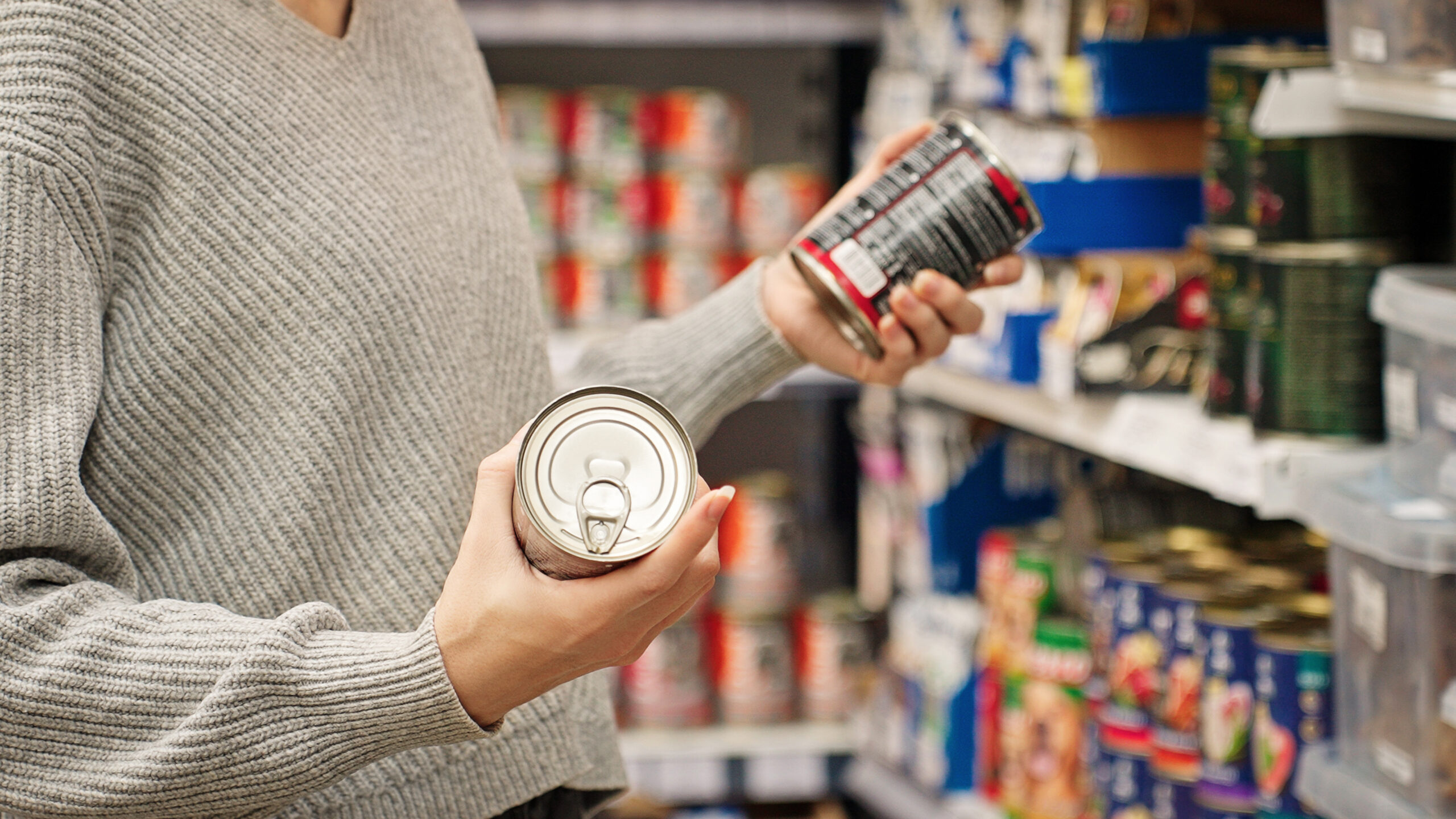
Product Labeling must be in accordance with the Food Allergen Labeling and Consumer Protection Act (FALCPA) and the Fair Packaging and Labeling Act (FPLA). Product labels must be submitted to SCDA to review for compliance with both laws.
Eggs

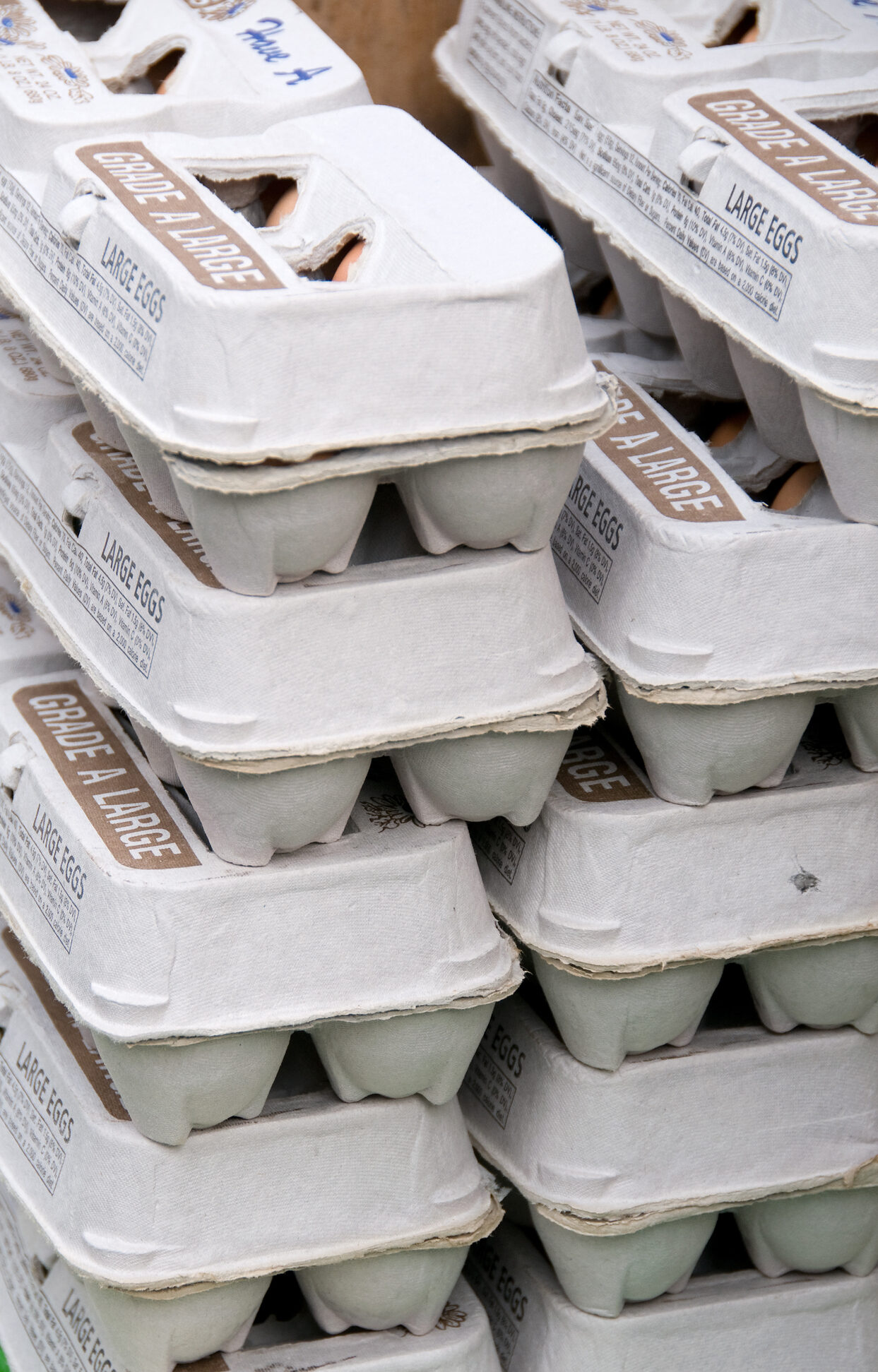
Eggs sold at a location other than a grower’s residence or farm must be washed, graded, sized, properly labeled and kept refrigerated at or below 45° F. Grading information can be found in the USDA’s Egg Grading Manual.

Only new or unused cartons can be used to package eggs. Cartons cannot bear another producer’s or distributor’s information. The producer must obtain an egg license issued by SCDA. Unlabeled, ungraded or unsized eggs or eggs off refrigeration are considered adulterated and will be removed from public sale. Selling eggs in those categories or selling without an SCDA Egg License are considered misdemeanors and both carry fines.
Fish & Seafood

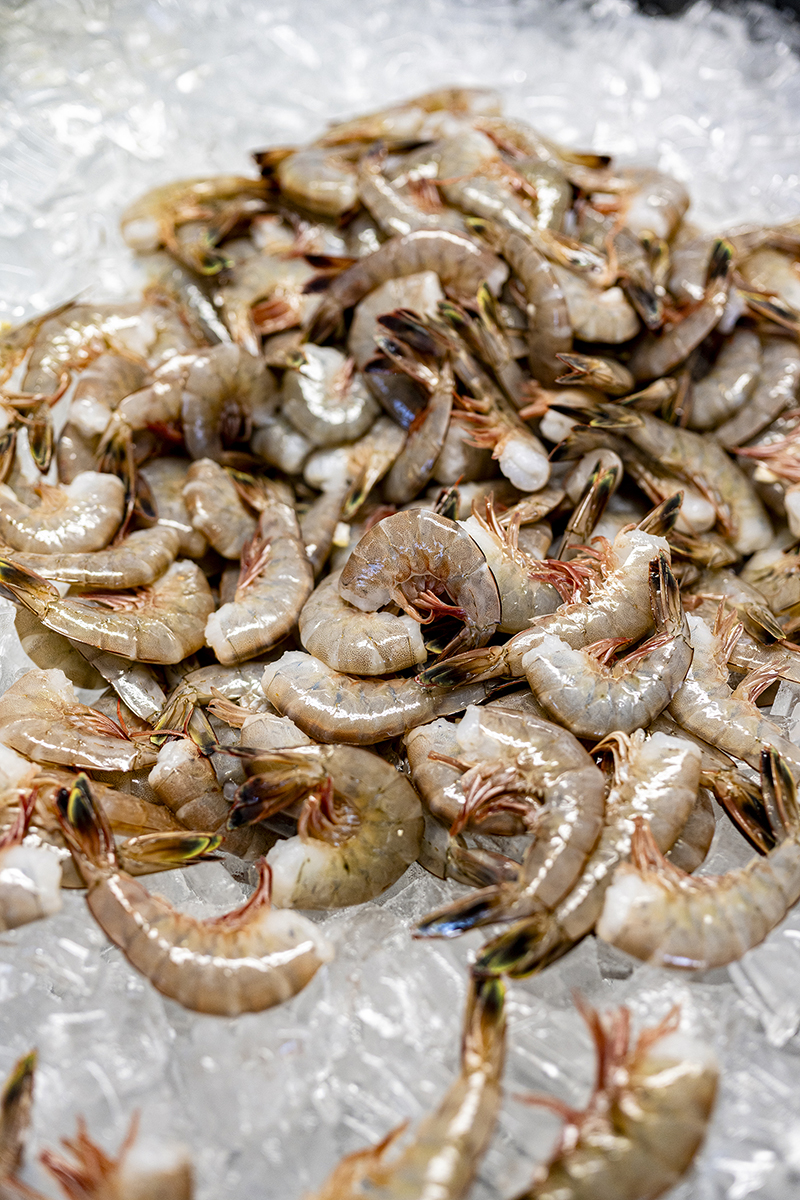
An RVC is required in order to process and sell finfish and crustacean shellfish wholesale to other businesses. Processors are subject to 21 CFR 123.

In order to process and sell finfish and crustacean shellfish wholesale, you must:

  • Register with SCDA
  • Operate out of an approved and inspected facility
  • Be subject to the state and federal food safety regulations including completing Seafood HACCP Training
  • Have a commercial fishing license OR buy from a licensed fisherman or licensed wholesaler
  • Keep receipts and invoices on hand at all times (including at the point of sale)
  • Keep fish and seafood refrigerated at 45° F or below or properly iced at all times
Out of State Frozen Dairy Dessert Distributor

Any out-of-state manufacturer or distributor intending to import or distribute frozen dairy dessert products into South Carolina for resale purposes must submit required documentation to SCDA.
Out of State Bottled Water Distributor

Any out-of-state manufacturer or distributor intending to import or distribute bottled water products into South Carolina for resale purposes must submit required documentation to SCDA.

Other Food Products

Retail Food

If your product is sold retail only, call SCDA Retail Food Safety at 803-896-0640.

Molluscan Shellfish

If your product is a Molluscan Shellfish product only, call the South Carolina Department of Environmental Services at 843-238-4378.

Milk

If your product is a Grade A Milk product, call SCDA Milk Safety at 803-896-0523.

Meat & Poultry

If your product contains more than 3% raw or 2% cooked beef, pork, chicken, or lamb, call SC Meat & Poultry at 803-788-8747.

Alcohol

If your product is an alcoholic product, call ATF at 1-800-398-2282 or the SC Department of Revenue at 844-898-8542.

Cosmetics

Registration is voluntary at this time. Contact rvcregistration@scda.sc.gov for more information.

Frequently Asked Questions

If you plan to sell your bottled/jarred product wholesale (selling business to business) you must produce in an SCDA approved facility, apply for a wholesale permit (RVC) and be inspected on a routine basis. A product label review is included in the RVC application process. Our Food Processing Establishment Guide can help you get started. Note: A home or domestic kitchen is not acceptable.

Bottled/jarred products must be analyzed by an FDA recognized processing authority. Most people in our state use Clemson University’s Food2Market. If the analysis classifies the product as an acidified food, you will also be required to complete an FDA recognized Better Process Control School. The resulting analysis and BPCS Certificate (if required) will be submitted with the RVC application.

Eggs can be sold from the farm or place where they’re gathered without any further regulation. Eggs sold to other businesses or at locations other than where they’re produced, must be washed, graded, sized and properly labeled. You will also need to apply for an Egg License from the SC Department of Agriculture. For more information, refer to the Egg License Guide.

Beekeepers who produce no more than 400 gallons (4,800 lbs.) annually and wish to sell their honey retail (directly to the end consumer) can apply for an exemption from registration and inspection. Beekeepers wishing to sell their honey wholesale (sold business to business) must apply for a Registration Verification Certificate with SCDA and have their honey house inspected and approved by SCDA. All honey sold to the public must be properly labeled.

The rabbits must be farm-raised and processed in an SCDA approved facility (see Food Processing Establishment Guide). You will need to apply for an RVC. The meat must be properly labeled and your operation will be inspected on a routine basis for food safety.

Per federal regulations, raw juices cannot be sold wholesale to other businesses. Contact SCDA Retail Food Safety and Compliance at 803-896-0460 for regulations to sell raw juices retail (directly to the end consumer).

SCDA is aware of the growing interest in making and selling elderberry syrup. Elderberry syrup is unique because it can be sold retail or wholesale, classified as a food or dietary supplement, and prepared as a shelf-stable or a refrigerated food. Clemson Extension has an excellent resource that describes the requirements for making and selling elderberry syrup and products to the public.

Clouds
Farm
Animals